



After a navigation error leads to a 4-knot grounding in the Hebrides, Rachael Sprot explains how to assess hull damage and manage the crew
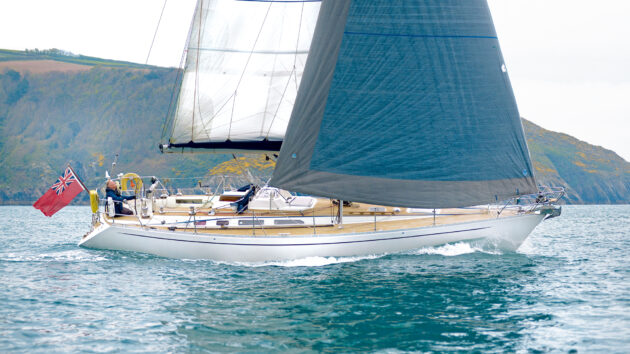
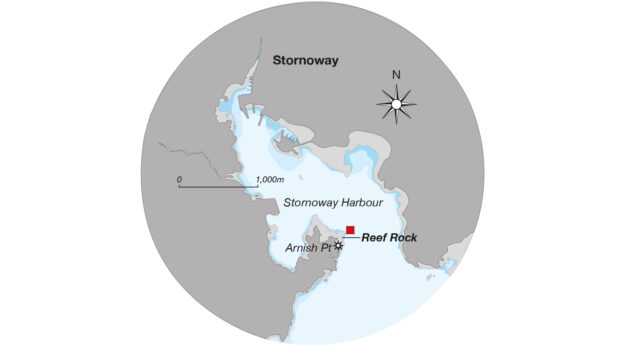
Emma and Karl are cruising the Outer Hebrides aboard their Sweden 390, Vision. They put the boat on autopilot after leaving Stornoway harbour whilst they rig for a spinnaker run up the Minch to Kinlochbervie, before rounding Cape Wrath to Orkney the following day.
They each assume that the other is keeping an eye on the course, and neither of them notices that they’re heading too close to Reef Rock, and passing the wrong side of a port lateral mark. They hit the rock at about 4 knots and the boat grinds to a halt. Karl falls into the bulkhead in the cockpit hurting his arm.
Emma, who was sitting at the stern rigging a sheet through the aft block, is unharmed. She disables the autopilot and reverses off into deep water. Karl is in pain, although he says he hasn’t broken anything and goes below to check the bilges, which are dry. What should they do?
You’ve hit a rock. What now?
Unfortunately, these kinds of autopilot-related incidents in pilotage waters are not uncommon. Four knots is fast for a grounding, and they’re lucky that neither of them is seriously injured. They’re probably both shaken and they don’t know the full extent of the damage, or Karl’s injury. Although there’s no immediate sign of water ingress, they need to return to Stornoway Marina and make further checks.
Once alongside, Karl’s injury needs a closer inspection followed by an examination of the boat. The Sweden 390 has a fin keel attached by keel bolts. Each keel bolt, and the area around it, needs to be checked for signs of weeping or cracks in the surrounding structure.
They also need to check as much of the bilge area as possible, lifting all the sole boards and emptying lockers where necessary. They should check around bulkheads for signs of detachment. The rigging and chain plates can come under huge stress during an abrupt grounding, especially the backstay. It doesn’t sound as though the rudder was impacted, but it would be worth checking all the steering gear and stern tube.
Article continues below…
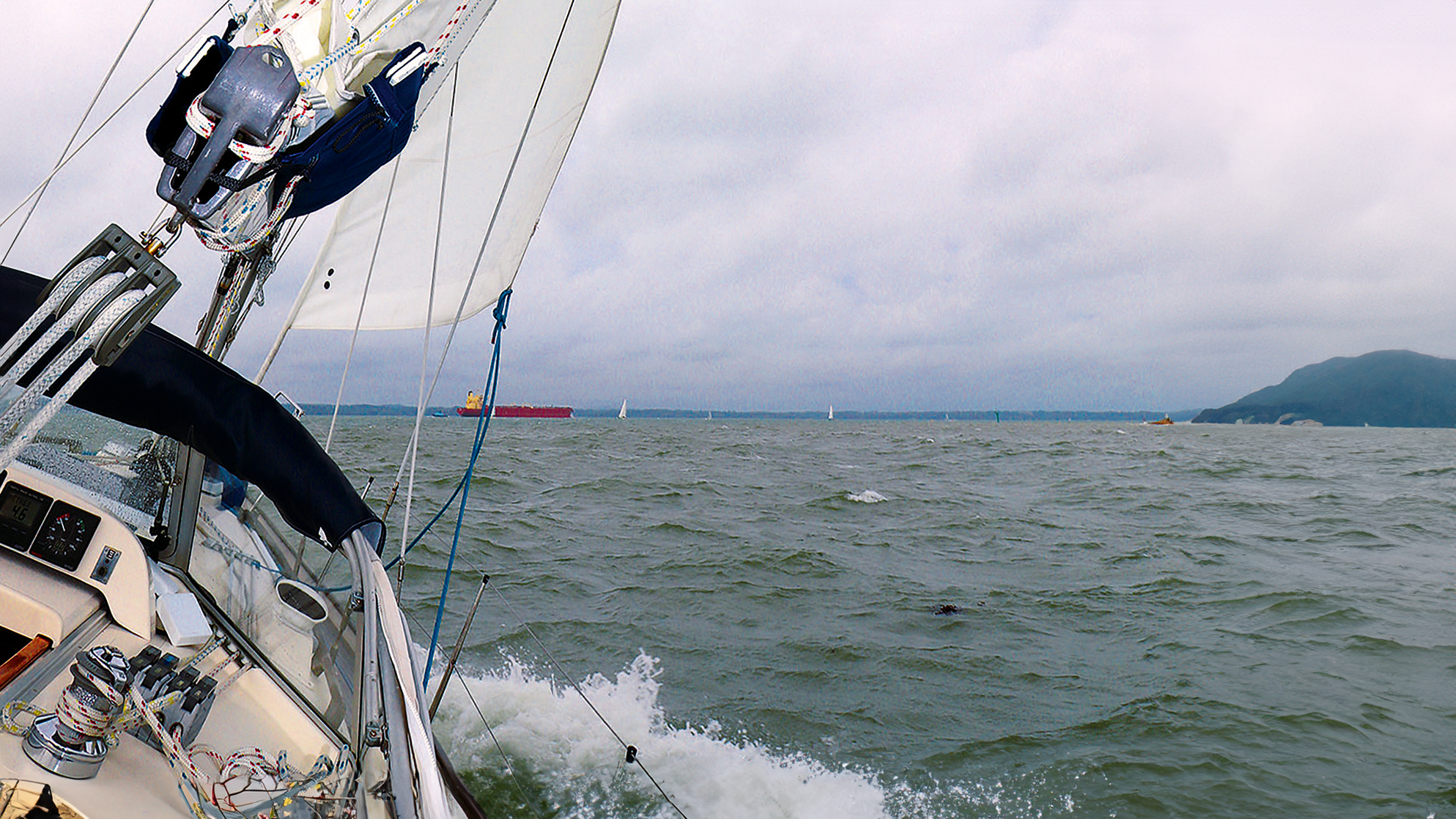
The furler has jammed and the wind is building: What do you do?
Helen and Mark sail their Halberg Rassy 34, Gemini, in the Bristol Channel. They’ve left Padstow at high water at…
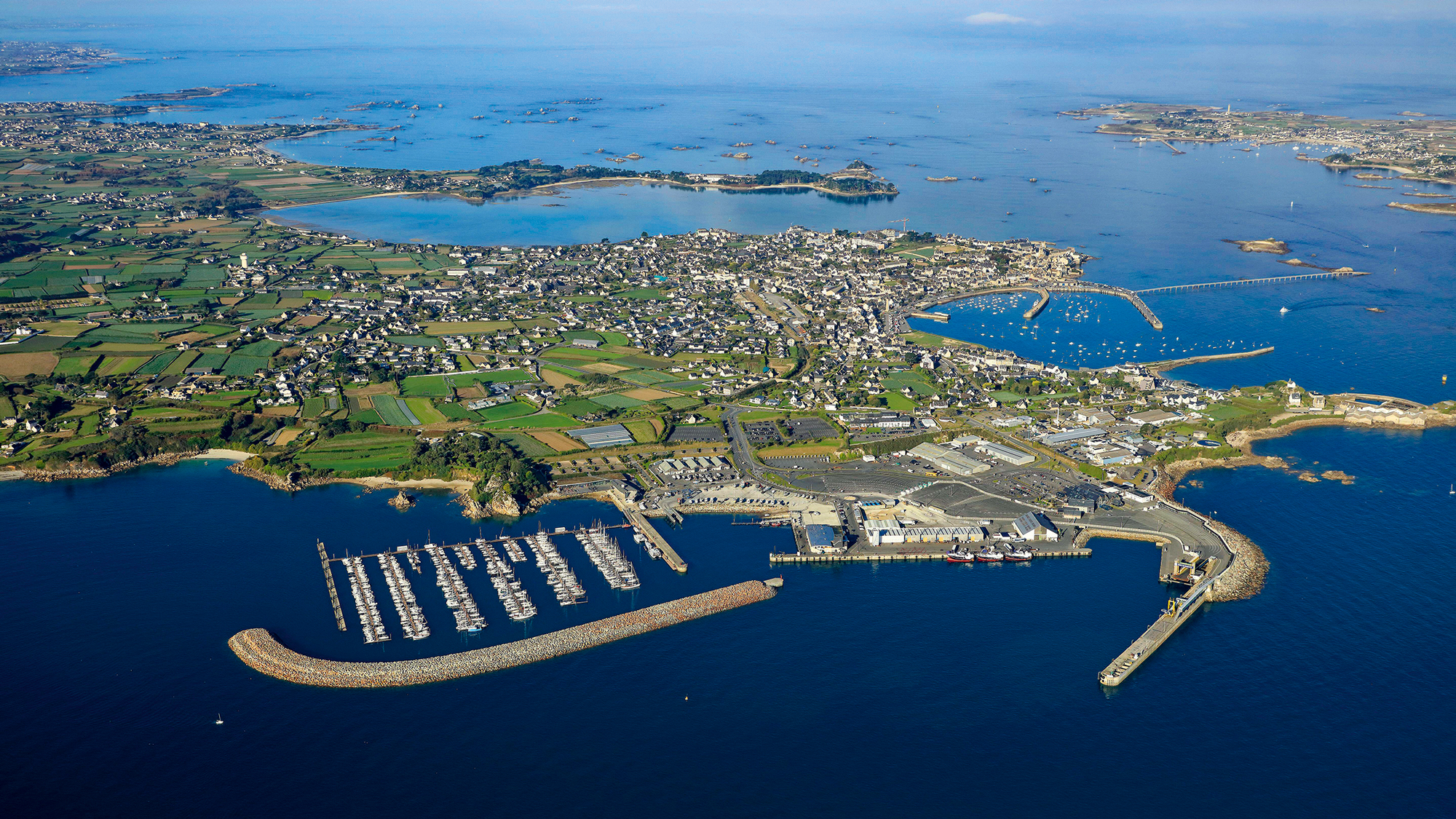
How would you try to avoid this tidal marina collision?
Roscoff Marina is one of the few all-tide ports in North Brittany. However, whilst it doesn’t have any depth restrictions,…
Engine mounts (and therefore shaft alignment) can also be affected. Any odd vibrations are a sign that something’s amiss – I was once alerted to a failed engine mount by a new rattle coming from the stove when the engine was running.
Knowing your boat pays dividends here – is that flaking paint in the bilge new or has it been there for a while?
If they have a waterproof camera and clear water, attaching it to the end of a boathook for underwater footage can be useful, too. If they’ve got a lead keel, rather than cast iron, they may well see gouges in the leading edge, and arguably this might have absorbed some of the impact. Ultimately, though, they need an out-of-water inspection from a surveyor to ensure that there’s no invisible damage, such as delamination. Before anything is agreed, they will also need to alert their insurers.
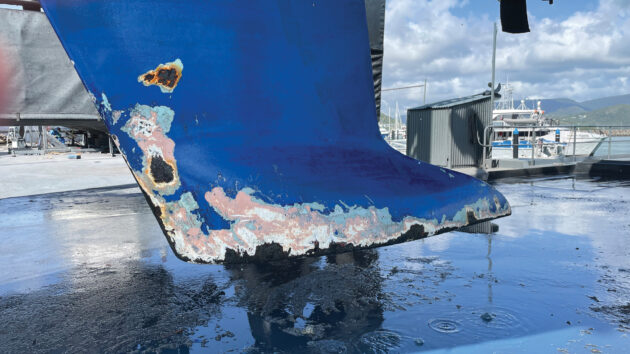
Paint damage on the keel may look bad after a grounding, but it’s what has happened to the hull that you need to know. Photo: Nic Compton John Marley
It’s important to log the incident even if they don’t think they will make a claim, in case something becomes apparent further down the line.
Whether they arrange to haul out the boat in Stornoway, where the logistics may be complicated, or take the boat to the mainland, is going to be a decision they need to think about carefully. It’s worth checking your insurance policy at this point. Many policies cover the cost of lifting and inspecting a boat after a grounding as it’s cheaper than covering a boat that has sunk, and they may cover the cost of rectifying any damage done. If in doubt, speak to your insurers.
The crew will have the best sense of how hard and abrupt the impact was. If they haven’t found anything untoward, they might decide to pick a good weather window and motor gently down to Oban, which has good repair facilities. This would be best done in short hops in daylight. If they do choose this course of action, then taking a route with maximum shelter and access to safe havens would be prudent (which is probably inside, rather than outside, Skye).
They need to minimise stress on the hull, at least until they’re more confident in the boat. Prior to departure, the bilge pumps need to be fully functional and essential safety equipment readily to hand. Regular bilge checks will be essential, especially in the beginning – they should leave the sole boards up for ease of access.
The Sweden 390 is a well-built boat and hopefully they will have avoided major damage, but they would be taking a risk if they continue with their cruising plans, especially given where they were heading.
Enjoyed reading this?
A subscription to Yachting Monthly magazine costs around 40% less than the cover price, so you can save money compared to buying single issues.
Print and digital editions are available through Magazines Direct – where you can also find the latest deals.
YM is packed with information to help you get the most from your time on the water.
-
-
- Take your seamanship to the next level with tips, advice and skills from our experts
- Impartial in-depth reviews of the latest yachts and equipment
- Cruising guides to help you reach those dream destinations
-
Follow us on Facebook, Twitter and Instagram.
Note: We may earn a commission when you buy through links on our site, at no extra cost to you. This doesn’t affect our editorial independence.