



Celebrating 100 years of the BBC Shipping Forecast, Jane Russell takes us on a coastal cruise through the Humber forecast sea areas, exploring some special places
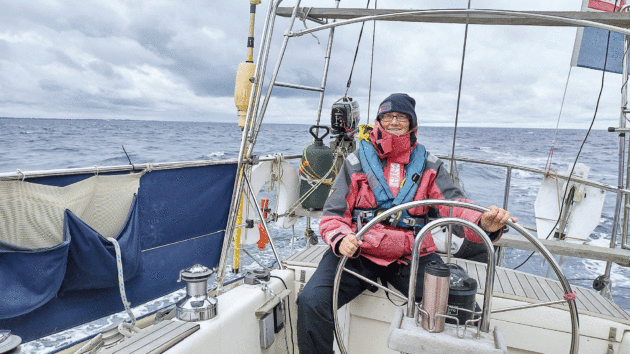
Cruising the Humber
The Humber sea area incorporates the interesting but more challenging coastlines of The Wash and North Norfolk, as well as the Humber estuary itself. From the area’s northern boundary, just north of Flamborough Head, all the way to Horsey on the north-east corner of Norfolk, tidal flows become much more significant.
This sea area is completely ruled by the currents that swirl around and between the banks and shoals that are characteristic of this section of the east coast. There are several squeeze points where the flows lump up into overfalls, particularly with any contrary winds. The extensive shoals are a perfect breeding ground for windfarms, which, depending on your perspective, can either confuse or clarify navigation.
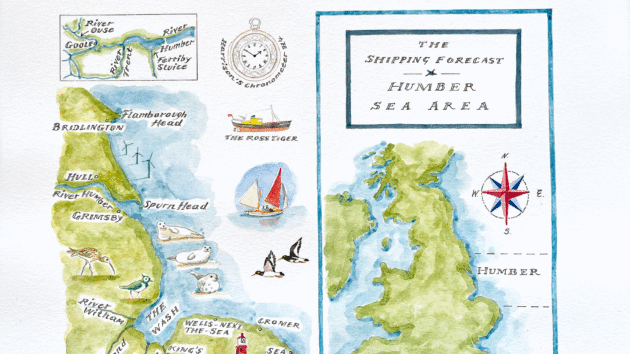
Photo: Joanna Martin, Curlew Cottage Design
Many a south coast sailor has taken one look at the charts and pilotage and decided to cut this corner completely. But it is worth remembering that King’s Lynn was one of the key Hanseatic ports, and this whole corner of the coast has long been a busy trade zone, with a steady stream of deep-draught vessels heading in and out of the Humber, and coastal vessels still plying routes in and out of The Wash.
In settled offshore winds there are several feasible all-tide anchorages, and with time to spare it is possible to find complete protection up the various rivers, most of which are navigable for a good distance inland, and some of which connect through to the canal system. The whole area is rich in bird life, and North Norfolk is home to the UK’s largest breeding colony of grey seals.
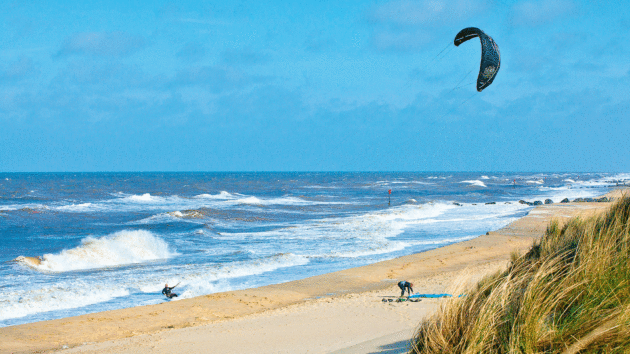
Kite surfing at Sea Palling on the Norfolk Coast. In offshore winds Sea Palling can be a good anchorage. Photo: Chris Herring / Alamy Stock Photo
SW veering W 4 to 6. Moderate, occasionally slight in west. Rain then thundery showers. Good, occasionally poor.
Thanks to the fresh westerly coming off the land, we had been making excellent progress down the coast, and with Flamborough Head in our sights, we romped into sea area Humber. The downside was that the rain-laden clouds soon began to release their load and, as everything became wetter, we considered stopping to tuck in and anchor off Filey.
I have happy memories of summer days on the beach and promenade, and blustery walks along the Brigg. With a better extended forecast, it would have been a good option, but we knew that the weather was becoming very changeable. As we passed the Filey Brigg buoy, the tide began to draw in our favour, confirming that we should carry on.
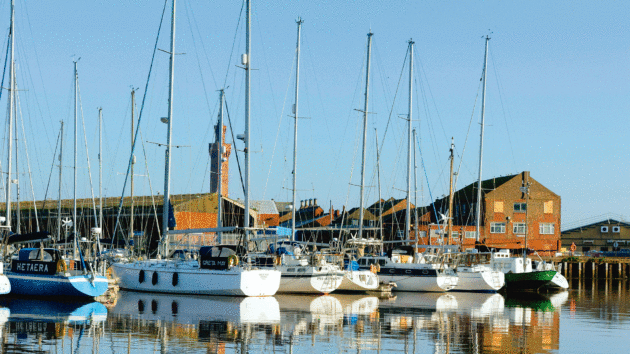
The Humber Cruising Association (HCA), No. 2 Fish Dock, Grimsby. Photo: NMP STOCK / Alamy Stock Photo
Closing in on Flamborough, the grey skies were a bonus as the dramatic backdrop for whirling clouds of white seabirds, as numerous as gnats on a summer’s evening.
We were very quickly abreast of the chalk headland and soon sluicing past North Smithic cardinal, keeping to the east of the Smithic Shoals. The temptation to keep going was creeping into our thoughts, but then a proper deluge set in. It was definitely time to call it a day. We tacked in towards South Beach, just south of Bridlington harbour, and anchored a little way up from the sailing club.
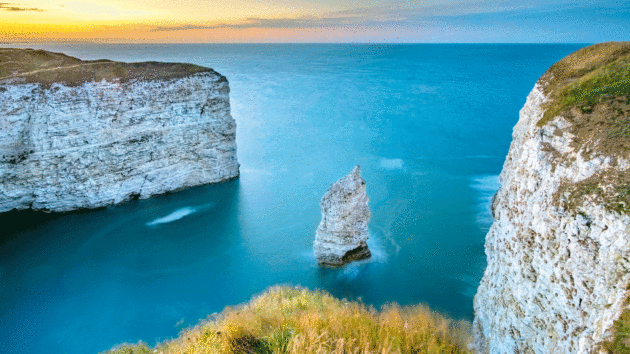
Queen Rock, South Breil just east of North Landing on Flamborough Head on the Yorkshire Coast marks the northern end of the Humber area. Photo: Martin Williams / Alamy Stock Photo
A big fleet of Darts were racing and we had several enthusiastic waves as they passed us on their way back in. No doubt they were much wetter than us – their cheeriness was infectious. We’d anchored east of the harbour before and knew that the Bridlington harbourmaster would have welcomed us inside, but we didn’t want to be constrained in our departure time the next day. We hoped to lock into Grimsby Fish Dock where we could sit out the extended forecast of strong winds.
W backing SE later, 4 to 6. Slight or moderate. Rain. Good, occasionally poor.
The following morning, the wind was still in the west. With one reef in the mainsail, we had a fast and comfortable beam reach towards Spurn, inside the first of the many windfarms in this corner of the coast. Skirting the Binks shoal off the long, low headland, and with the go-ahead from Humber VTS, we headed up onto the recommended track to cross the shipping lanes at Chequer southerly cardinal. We were entering the mighty Humber.
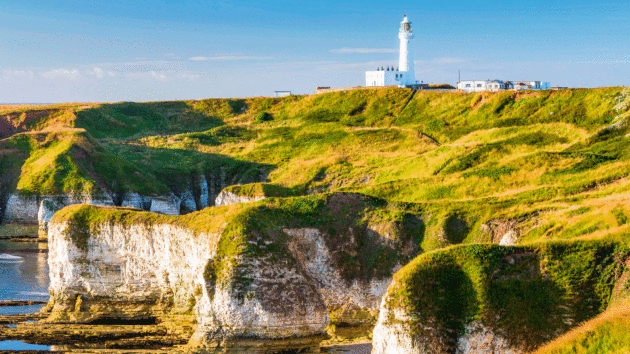
The lighthouse at Flamborough Head, North Yorkshire. Photo: Darryl Gill / Alamy Stock Photo
The westerly wind was becoming quite fresh by now, but we had the tide with us again. We fetched up the south side of the estuary, past all the anchored ships and on past Haile Sand Fort. This is one of the WW1 forts that serve as a visual reminder of the Humber’s longstanding role as a strategic port.
Knowing that the Fish Dock lock is on free flow HW +/- 2 hrs, we were aiming to arrive at the start of that period. However, Fish Dock Control had a small convoy of wind farm support boats returning to base, and they asked us to wait for a while. We were feeling rather exposed in the wide expanse of the estuary but, with the tide still rising, we were confident enough to nudge in as close as we could on the east side of Clee Ness Sand.
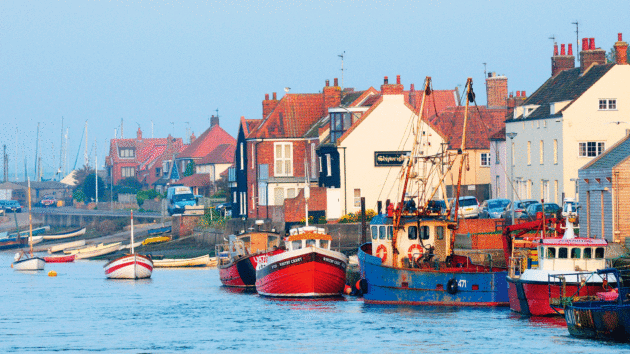
Boats moored at the Quayside, Wells-Next-The-Sea, Norfolk. Photo: Alistair Laming / Alamy Stock Photo
It was more comfortable than had seemed likely and we had a cuppa while we waited for our call. We gazed upstream towards Immingham and beyond, and pondered the options: With a more favourable forecast we would have anchored off Skitter Haven, and if we’d had more time we would have explored Hull. The anchorages beyond would also have to wait.
By the time they were ready for us, the tide had turned, and for a little while we had to motor quite hard before we could escape the worst of the stream. But we were soon tied up on the Humber Cruising Association visitor pontoon in No. 2 Fish Dock.
In no time at all, we were being welcomed and served beers in the clubhouse.
Article continues below…
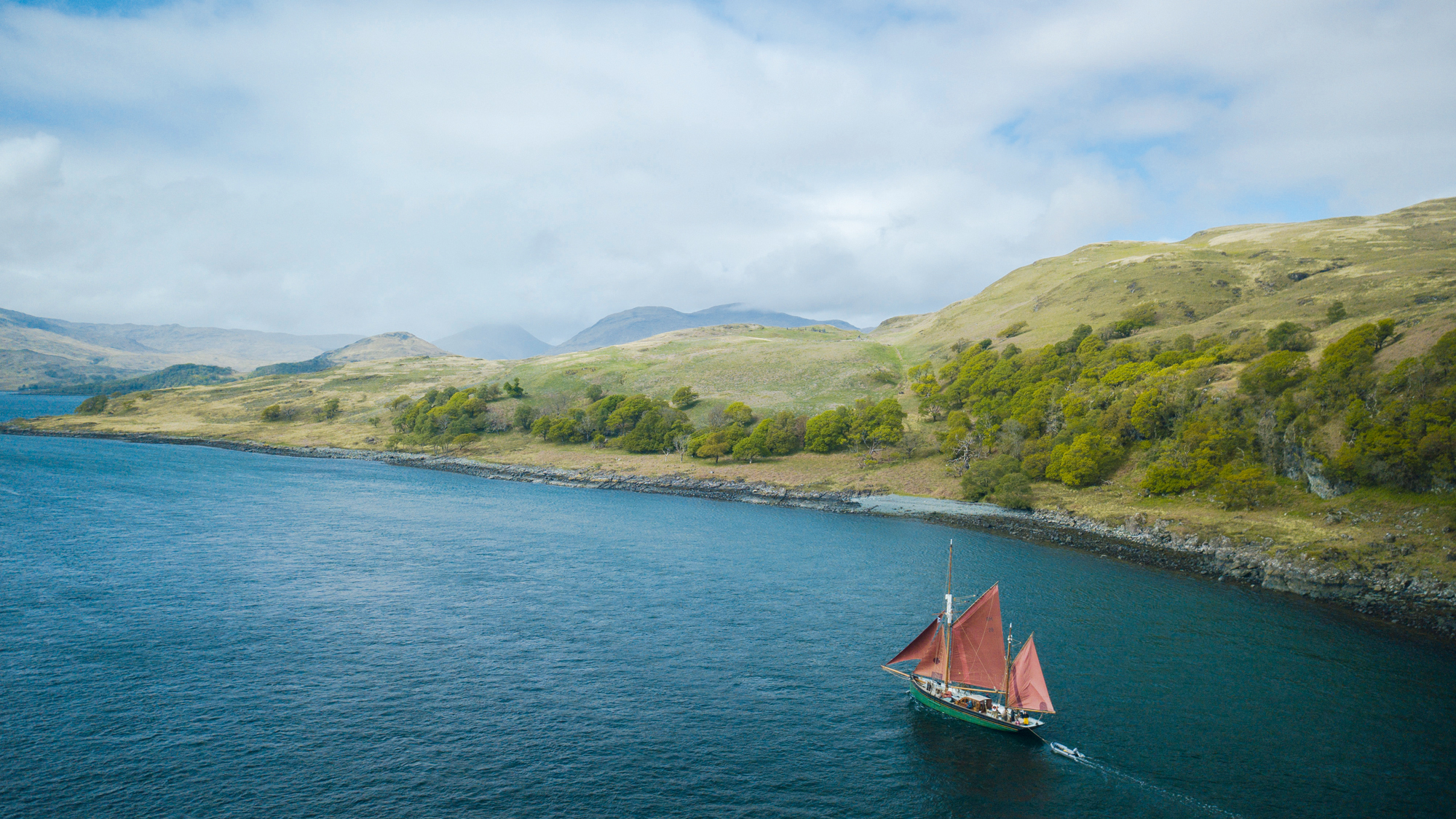
Sailing a 100 year old Brixham Sailing Trawler from Scotland to the South Coast
Eight days after leaving Oban on the west coast of Scotland, we arrived at the Fowey estuary on the Cornish…
Sailing the Shipping Forecast: Tyne’s marvels and Holy Island, ‘A place that stirs the imagination’
The anchorage at Lindisfarne (Holy Island) lies right at the top of the Tyne sea area. Fewer than 10 miles…
SE 4 to 6, becoming cyclonic 5 to 7, perhaps gale 8 later. Slight or moderate, becoming moderate or rough. Rain or thundery showers. Good, occasionally poor.
The forecast dictated a day ashore so, armed with local knowledge, we headed to the Grimsby Fishing Heritage Centre and booked onto one of the tours of the 1950s trawler, Ross Tiger.
She is thought to be the oldest diesel side-trawler in the UK and we were shown around by a retired trawler captain. The whole visit was an enthralling glimpse into the reality of life as a trawlerman, as well as a fascinating lesson about the ‘Cod Wars’.
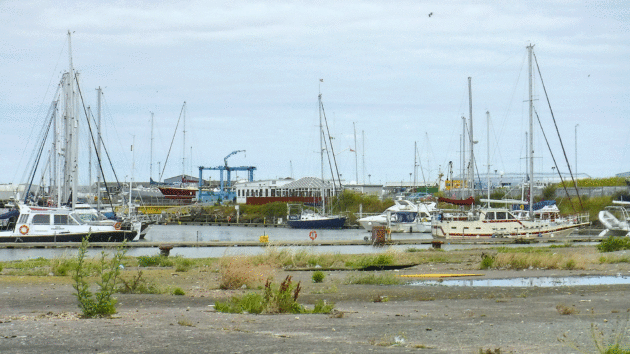
Grimsby Fish Docks had seen better days but the friendliness of the HCA more than made up for it.
We learned of the local rivalry between Grimsby’s haddock and Hull’s cod fleets. Both were severely impacted in the aftermath of the wars.
Perhaps counterintuitively, Grimsby retains very close links with Iceland. The town continues to be a major fish processor, but the fish mostly comes in on container ships from Reykjavik rather than in the holds of Grimsby trawlers.
Keen to sample some of the local fare, we were directed from the rather alarmingly dilapidated warehouses around the docks to the much more reassuring building of the Albert Enderby traditional fish smokers. We were allowed to peep at the racked fish in the tarry smokers but weren’t allowed to know the unique combination used for the smoking. We came away with parcels of the most delicious smoked haddock we have ever tasted.
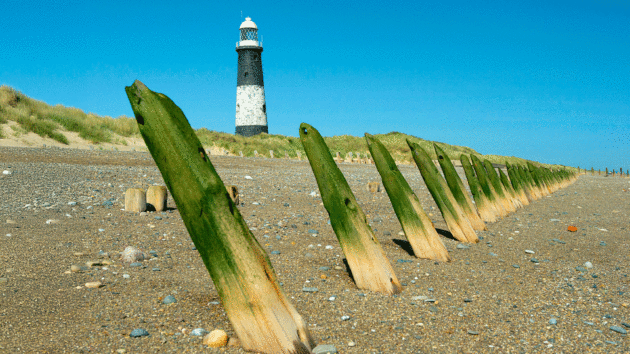
The beach is creeping ever closer to the famous lighthouse at Kingston Upon Hull. Photo: Josh Harrison / Alamy Stock Photo
The following morning’s forecast was still pretty fierce and we planned for another shore day, catching up with laundry and boat jobs. One of the small boats on the hard was succumbing to the wind, unravelling its genoa and threatening to capsize off its cradle.
We alerted some of the members and some swift teamwork resolved the crisis. After that we really were embraced as one of their own. One conversation led to another and, as is so often the way with cruising, we discovered several connections with HCA members going back over many years.
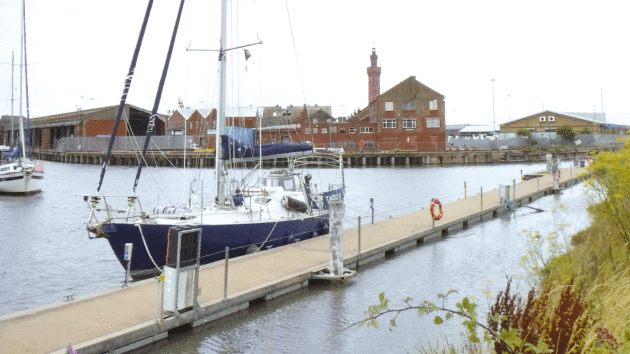
At the Humber Cruising Association they were made to feel very welcome.
Northwest 4 or 5, veering N or NE 3 or 4 later. Moderate. Showers. Good.
We could so easily have stayed another day but the wind was dropping and the afternoon’s 24-hour forecast seemed more promising. Beyond that, it wasn’t looking so good, so we decided we had better head on. We were waved off with a full tank of diesel and some gifted cans of beer, which we promised to enjoy on completion of our Round Britain, now only a few days away.
With just the genoa set, we mooched slowly downriver against the last of the evening flood and anchored at sunset just north of Haile Sand Fort. Again, it felt rather exposed in the wide expanse of the estuary, with its low-lying land on each side.
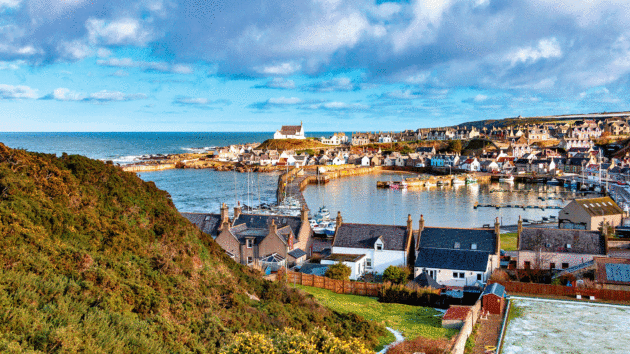
Bridlington Bay, East Yorkshire. Photo: Darryl Gill / Alamy Stock Photo
But with wind and ebb in relative harmony, wehad a peaceful enough evening to manage a few hours of sleep before our 0100 alarm. There was too much north in the wind to assure us any stops along the North Norfolk coast, so we wanted to make the most of the tidal slingshot that would extend our window of favourable tide.
In the dark and drizzle, we motored out of the Humber on the last of the ebb and then across the beginning of the southerly flow into The Wash. The confused flows made the sea a bit lumpy, but by first light the wind was filling and by breakfast time we were running under twin headsails and being helped by a more south-easterly tidal set.
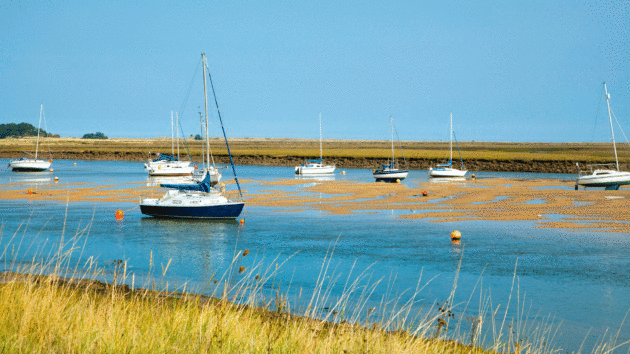
Yachts in the estuary at Wells-Next-The-Sea in Norfolk. Photo: Harvey Wood / Alamy Stock Photo
Progress was good, but now an annoyingly persistent northerly swell was corkscrewing us and reminding me how sick I had been the last time we had crossed this bit of water. It was also confirming that we’d made the right call not to try to stop at Wells.
As we approached the North Norfolk coast, we switched to main and genoa, gybing it to and fro as we picked our way past Blakeney Overfalls, Sheringham Shoal, and on past Cromer. This is a gently rolling bit of coast that we know well from the shore. One day, in a smaller and shallower boat than Tinfish, we will explore it properly from the sea.
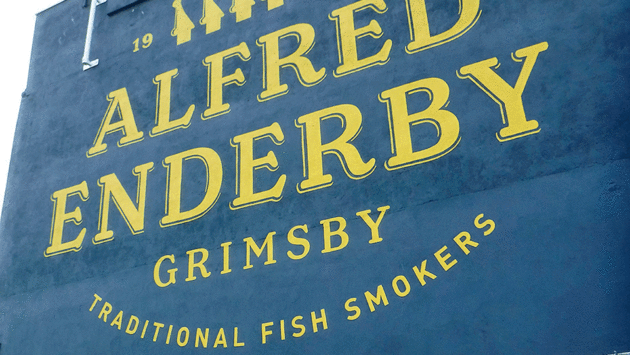
The century-old traditional fish smokers in Grimsby.
Off Happisburgh the sun broke through as if to celebrate the turn onto our home run. We were amazed at the further recession of the low coastal cliffs here. The impact never lessens when we remember the old lifeboat station and the whole street of houses that were there 20 years ago. The land they sat on has dropped away into the sea and the coastline is creeping ever nearer to the distinctive lighthouse, once set back a much larger field away.
The weather was too unsettled to anchor at Sea Palling, but in offshore winds this is a good option to sit for a tide. By now we had adverse current but the wind was holding well behind us and we were still making 3 to 4 knots over the ground.
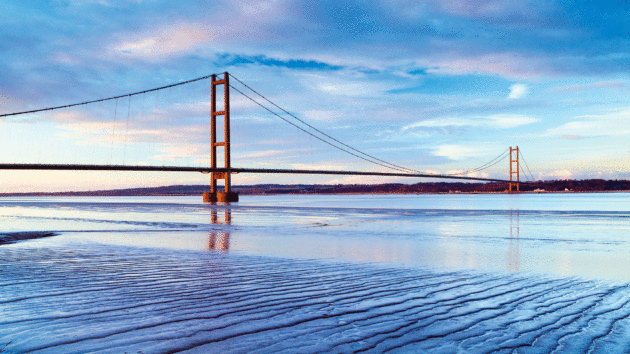
The Humber Bridge and the River Humber at low tide from Barton-upon-Humber in North Lincolnshire. Photo: LEE BEEL / Alamy Stock Photo
It was going to be slow work for the next few hours, but in the sunshine we were perfectly content to take our time to savour this most familiar stretch of coast. We were now heading into Thames, our home waters and the end of our sail around Britain.
Enjoyed reading this?
A subscription to Yachting Monthly magazine costs around 40% less than the cover price, so you can save money compared to buying single issues.
Print and digital editions are available through Magazines Direct – where you can also find the latest deals.
YM is packed with information to help you get the most from your time on the water.
-
-
- Take your seamanship to the next level with tips, advice and skills from our experts
- Impartial in-depth reviews of the latest yachts and equipment
- Cruising guides to help you reach those dream destinations
-
Follow us on Facebook, Twitter and Instagram.
Note: We may earn a commission when you buy through links on our site, at no extra cost to you. This doesn’t affect our editorial independence.