



Navigating thick fog banks in the Irish Sea brought surprise animal visitors and a sourdough baking crisis that rapidly depleted the boat's gas.
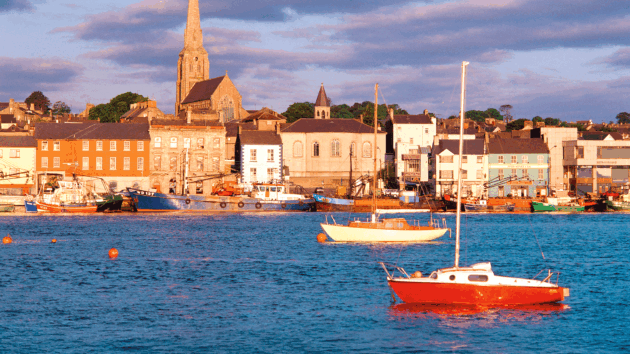
Irish Sea
Uniquely amongst Shipping Forecast sea areas, the Irish Sea incorporates coastlines of every country in the UK as well as the Republic of Ireland. On its western edge it extends along the Irish coast from just north of Wexford up to the north side of Belfast Lough.
Its eastern boundary is more extensive and runs from the bottom of Cardigan Bay up the Welsh coast, continuing up the English coast through Morecambe Bay and then the Solway Firth to Galloway in Scotland.
Passagemaking is ruled by the tides which flood north to Dublin Bay and Liverpool but ebb north through the North Channel. In the middle, west of the Isle of Man, there is a slack area. With good planning and reasonable weather it is possible to ride a favourable flood and then pick up an ongoing ebb.
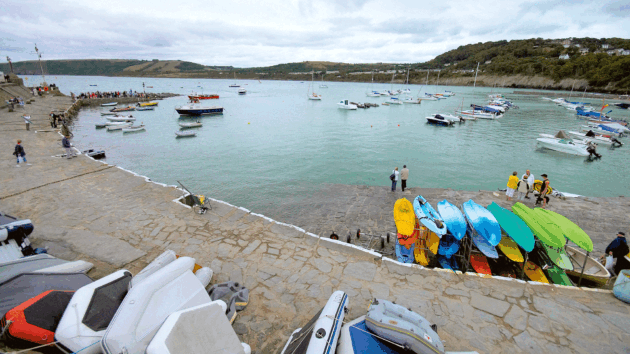
The harbour at New Quay, Cardigan Bay, Wales. Photo: Scott Hortop Images / Alamy Stock
Tidal currents can run up to 3 knots in St George’s Channel and as much as 5 knots in the North Channel. They are stronger still through Bardsey Sound and the Menai Strait, and in narrow entrances and shoal estuaries along both coastlines.
This may complicate arrival and departure timings and restrict the choice of coastal stopovers, particularly if time is short. On both edges of the North Channel there are some helpful countercurrents before the main stream turns.
There are windfarms off the Irish coast (Arklow Bank), North Wales and Liverpool, in Morecambe Bay and the Solway Firth. TSSs wrap around the northwest corner of Anglesey and separate traffic in and out of Liverpool.
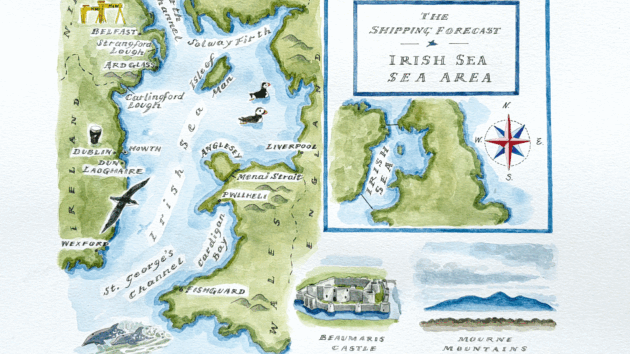
Joanna Martin is an illustrator and printmaker based in County Down. Photo: Joanna Martin, Curlew Cottage Design
Variable 2 to 4. Smooth or slight. Showers, perhaps thundery, fog patches. Moderate, occasionally very poor.
Depending on the weather and time available, decisions about stopping or keeping going through the Irish Sea can feel like a difficult balance to get right. There are so many options on both sides and the channel is narrow enough to make it feasible to cross to and fro. With the prevailing wind from the westerly quadrant, the Irish shore is relatively protected and offers a number of marinas and anchorages to choose from.
It’s equally possible to day hop up or down the eastern coastline, though there are fewer all-tide havens. Comfortable anchoring options are, as always, dependent on the direction and strength of wind and the prevalence, or not, of any swell.
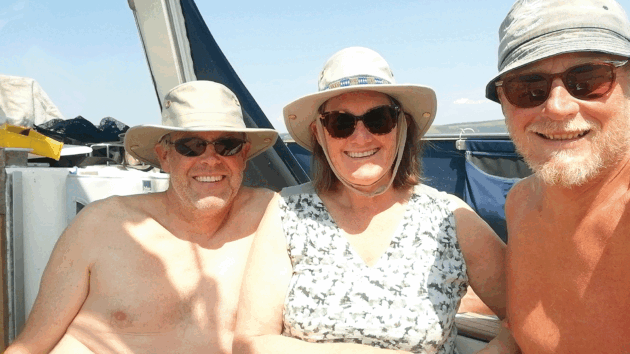
David, Jane and John enjoy the heatwave during the crossing. Photo: Jane Russell
On our voyage around Britain we felt very conflicted by all the possibilities. Having crossed through the Lundy sea area in diminishing winds we entered the Irish Sea with some doubt that the variable 2 to 4 was going to be anything other than 0 to 2. By this stage we had committed to the most direct course and we had been tracking up the outer edge of the Tuskar TSS through banks of fog, feeling very glad of our new radar.
With the lack of wind, heading towards the Irish coast might have made sense, but the extended forecast was for strengthening east or northeasterlies which would find us having to work harder up a lee shore. Likewise, Fishguard, well protected from the southwest with good anchoring in sand and mud, wouldn’t be so certain in a northeasterly and our current progress made it unlikely that we would reach anywhere further up the Welsh coast before dark.
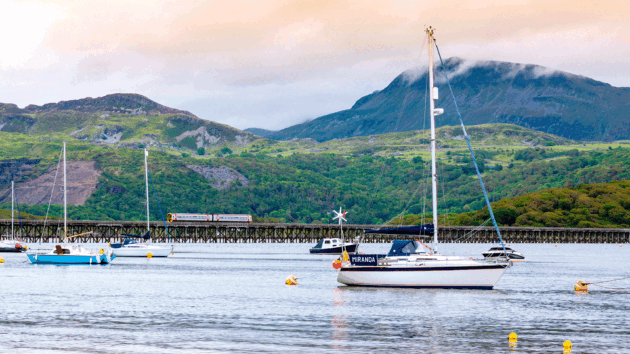
A train crosses the historic bridge over the Mawddach estuary in Barmouth, Gwynedd, Wales. Photo: Christopher Nicholson / Alamy Stock Photo
Some family members were heading to Scotland and were hoping for a rendezvous before their fortnight was over, which was a further tug on our decision making. More significantly, the tide was now turning in our favour again and the sea was very smooth so, despite the fog, we decided to keep going up the middle in the hope that some variable wind would find us after all.
Mid-afternoon, still motoring in very poor visibility, a ship pollution report came in, so it was probably no coincidence that we had found ourselves mysteriously buzzed by a swarm of flies. Maybe the white-out offered a chance of obscurity for the ship, or perhaps it’s too easy to speculate when your mind is wandering on a foggy watch.
Thankfully, the flies cleared and, come late afternoon, the blanket also lifted to reveal some of the bright sunshine that the whole of the UK seemingly had been basking in. A breath of air at least allowed the sails to draw enough to motorsail with some apparent wind.
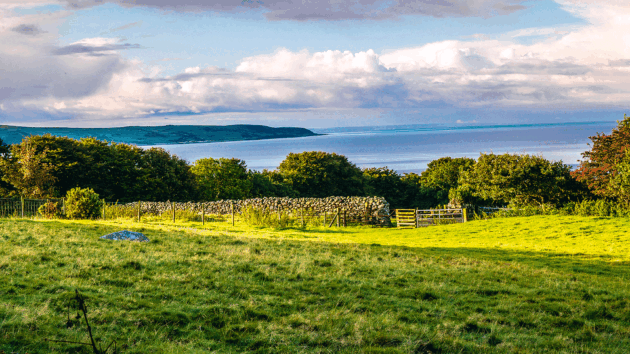
A view of Cardigan Bay, North Wales, from the north. Photo: Henry Ciechanowicz / Alamy Stock Photo
By midnight we had Anglesey away to starboard and Dublin to port. If we hadn’t been intent on making it around Britain we certainly would have paused and pottered for a while. On the Welsh coast it could have been fun to join the likely throng at Abersoch, nestled under the lovely Llyn Peninsula with views across to the mountains of the Eryri (Snowdonia) National Park.
We weren’t feeling much of the heatwave out at sea, but anchoring off the long sandy beach there would be perfect in the reported temperatures, no doubt leaving walks along the Wales Coast Path for cooler days. From there we could time the tide to go through Bardsey Sound at slack water, minimising the overfalls in its fierce tidal currents.
Or we might have opted for Pilot’s Cove and the sands of Llanddwyn Bay on the southwest point of Anglesey. In the right weather, this is another stunning spot with picture perfect panoramas.
It is backed by a National Nature Reserve with lovely walking trails and the chance of spotting red squirrels. We’ve never transited the Menai Strait through The Swellies but it remains on the bucket list. With more time, this whole area, with its ancient harbours and handsome Welsh castles, deserves an extended cruise of its own.
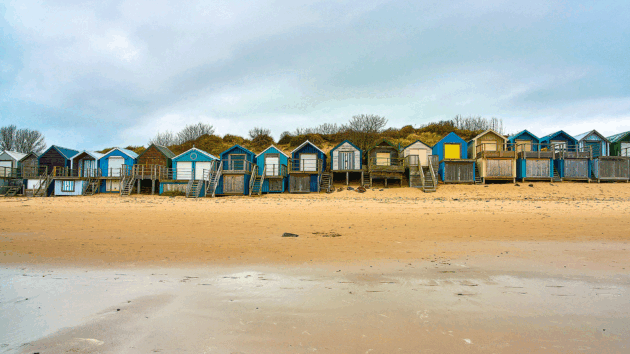
Beach huts on Abersoch beach on the Llyn Peninsula. Photo: Alan Skipp / Alamy Stock Photo
With a smaller, shoal draught boat the possibilities for exploration would be greater still.
On the Irish coast we might also have been persuaded to delay for an extended period of time. Both Dun Laoghaire and Howth have good train connections into Dublin and make easy bases for exploring the fair city.
There are plenty of reasons to spend some time in this great capital with its long history and lively culture. Instead, we made good progress through a much clearer night, watching the ferries crossing to and from Holyhead and we were quite astonished by the frequency of flights tracking overhead.
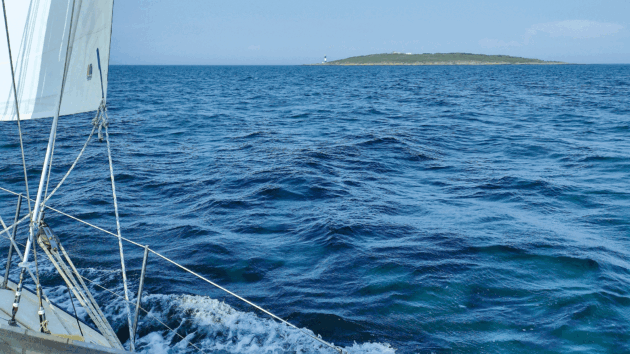
The wind filled in and we passed Lighthouse Island to head out into the North Channel. Photo: Jane Russell
Variable 2 to 4. Smooth or slight. Fog patches, thundery showers. Moderate or good, occasionally very poor.
Our sailing friend John, still with us from Plymouth, came on watch at first light and it soon became evident that the gas bottle needed changing again. This was the moment that we realised that his daily sourdough baking habit was using up gas at an alarming rate. A bottle that would normally last six weeks had lasted less than two.
Whilst acknowledging the sure-fire morale boost of the smell of morning baking percolating across the off-watch berths, and the mouthwatering deliciousness of the loaves, nevertheless, we established a new rule of baking only every two to three days.
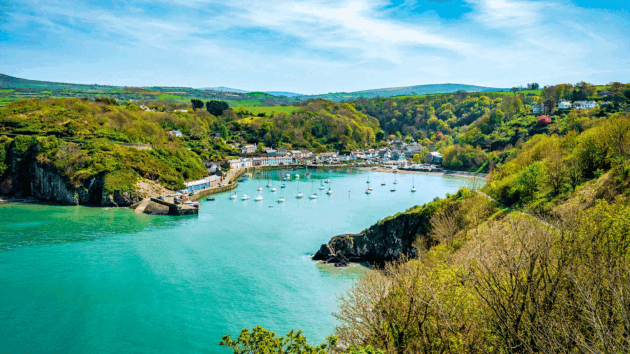
Fishguard Lower Town Harbour, Pembrokeshire, seen from the headland. Photo: travelling light / Alamy Stock Photo
The early morning gas bottle swap was overseen by a very bedraggled looking hitchhiker who had taken up residence on the solar panels above. Hunched and fluffed up against the drizzle it seemed a strange and somnambulant sort of bird. A numbered leg ring suggested differently and eventually, having decided to take up a more comfortable position on top of David’s head, it emerged as a surprisingly elegant racing pigeon.
It had perhaps been sent off course by the towering thunderheads that were building and discharging to the east of us, above the Isle of Man. We’d been tempted to head across to anchor in Port Erin on the west coast of the island but now it was feeling like a good decision not to try to stop there as it was looking a bit biblical.
To the west, wispy with cloud in the pink morning light, the Mourne Mountains seemed ethereal above a glassy, grey sea. Ardglass, to the northeast of them, had been recommended to us as the best stopover north of Dublin, with a welcome from the resident seals in the narrow approach channel and an even friendlier welcome from the humans ashore.
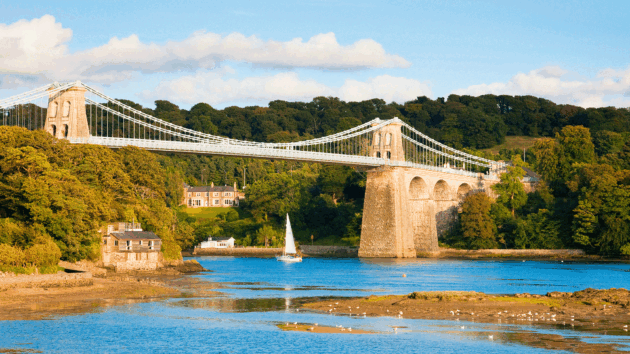
The Menai Suspension Bridge. Photo: Realimage / Alamy Stock Photo
Only a little way north from there would be the excitement of the tidal ride into Strangford Lough if we’d timed it right, but we were benefitting from the now northerly ebb and stopping at either wasn’t going to happen this time.
It would be impossible just to keep going north without meeting the next flood at some point. Thankfully we were closing the Irish coast off Burr Point as the stream strengthened against us and we sneaked in as close to the rocky shoreline as we dared, escaping the worst of the flow and then eventually picking up the promised favourable countercurrent.
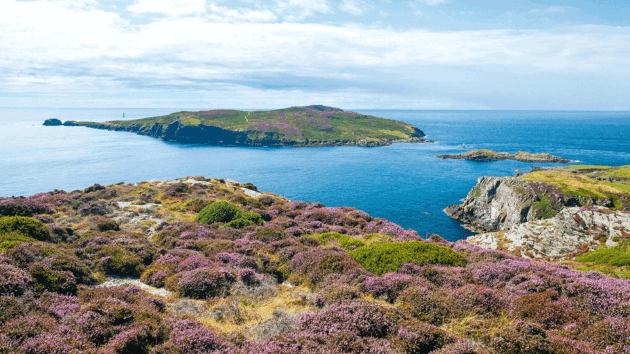
The Calf of Man, the small island southwest off the Isle of Man. Photo: James Osmond / Alamy Stock Photo
N or NE 2 to 4, occasionally 5 in east. Smooth or slight. Thundery showers, fog patches. Moderate or good, occasionally very poor
Past the picturesque village and lighthouse of Donaghadee, we headed into Donaghadee Sound to go through to Belfast Lough. We had just about decided to call it a day and anchor at Copeland Island when the wind started to fill in, funnelling down the North Channel and giving us an angle to head across to Galloway. We were, by now, overjoyed to feel some decent wind and the tide was ebbing again northwards in our favour.
As soon as we could clear Lighthouse Island we tacked onto port and set proper sail. The next few hours were proof of the pilotage pudding – which is that wind against tide can get very uncomfortable in the North Channel.
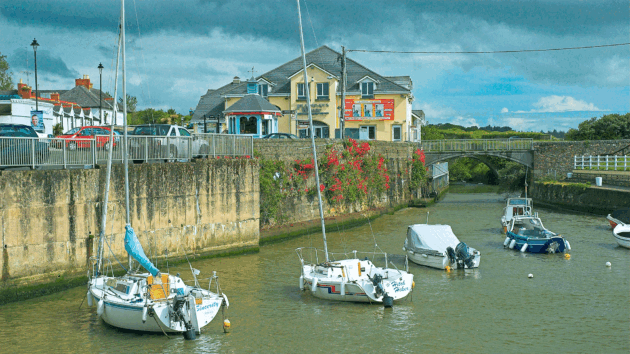
Boats moored at Arklow on the Irish coast. Photo: Big State Images / Alamy Stock Photo
It was a sufficiently lumpy, hobby horse ride that I succumbed to an immediate bout of seasickness, but progress was good while the wind lasted and the tide set us nicely up to Corsewall Point at the top of the Rhins of Galloway. We had, by now, crossed the Irish Sea boundary into sea area Malin and it was time to pause, finally in Scotland.
The Rhins are a hammerhead of land that forms the relatively open Luce Bay to the south and the more enclosed Loch Ryan and to the north. As the sky darkened we turned the corner into the loch and the wind dropped out on us once more.
We motorsailed in, with late-night ferries to Stranraer coming past us along the channel. Beyond the port we were more wary of anything unlit in our path and kept a good eye off the shallows of The Spit. We felt our way into the anchorage in complete darkness.
The new day revealed Loch Ryan completely to ourselves under a cloudless sky and a blazing sun. Tuning in to the local radio gave us endless chat about the ongoing heatwave and we were happy to have found it at last. The water was warm enough for a lazy and recuperative swim. It was a perfect occasion for a long, late, Mediterranean-style lunch in the cockpit. Post passage recovery days don’t come any better.
Article continues below…
Sailing the Shipping Forecast: ‘A distant swell reminded us how lucky we were to have it so good’
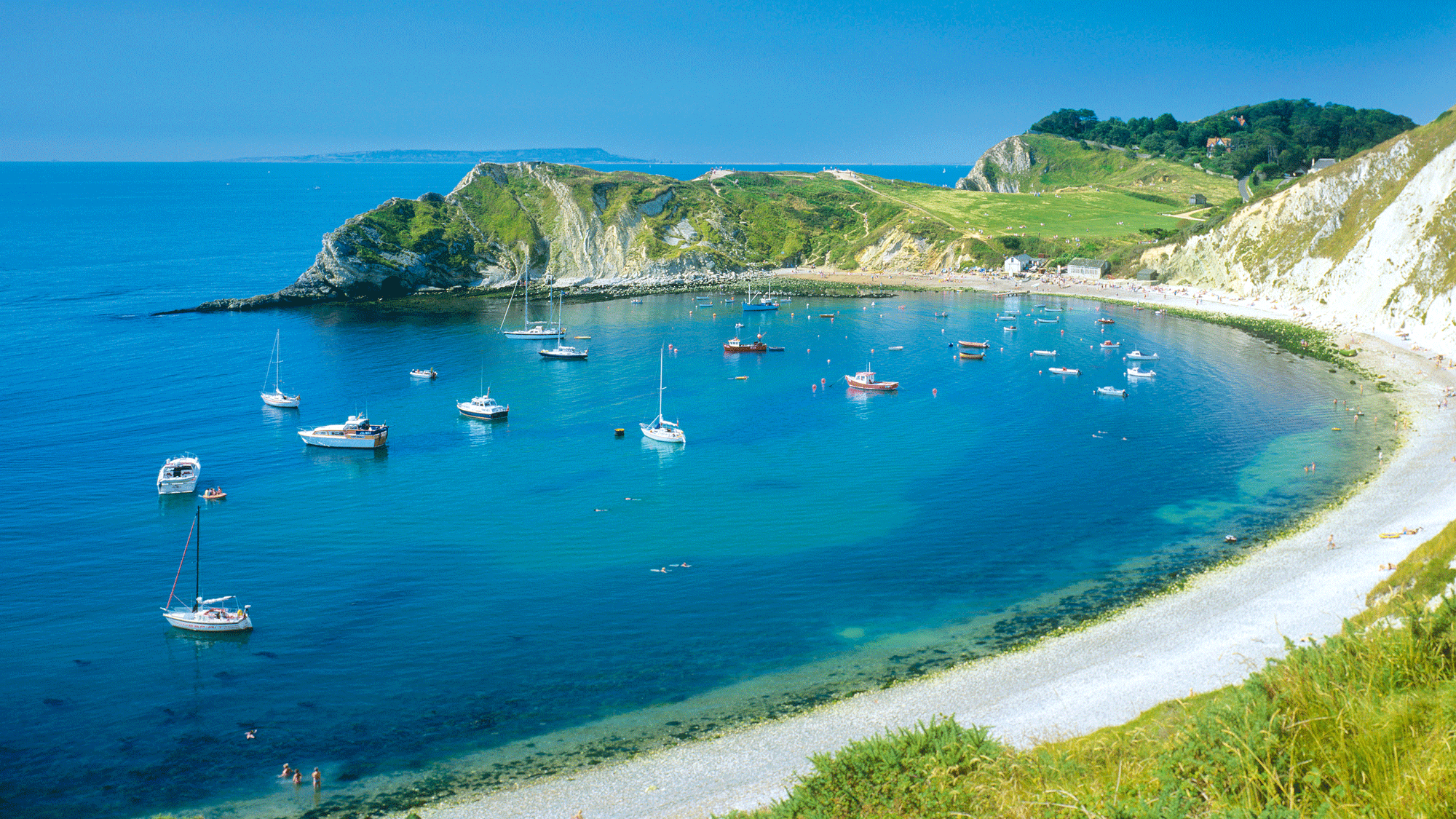
Portland The sea area of Portland wraps around the Isle of Portland from just east of the entrance into Poole…
Sailing the Shipping Forecast in Wight: ‘There are so many options in the Solent’
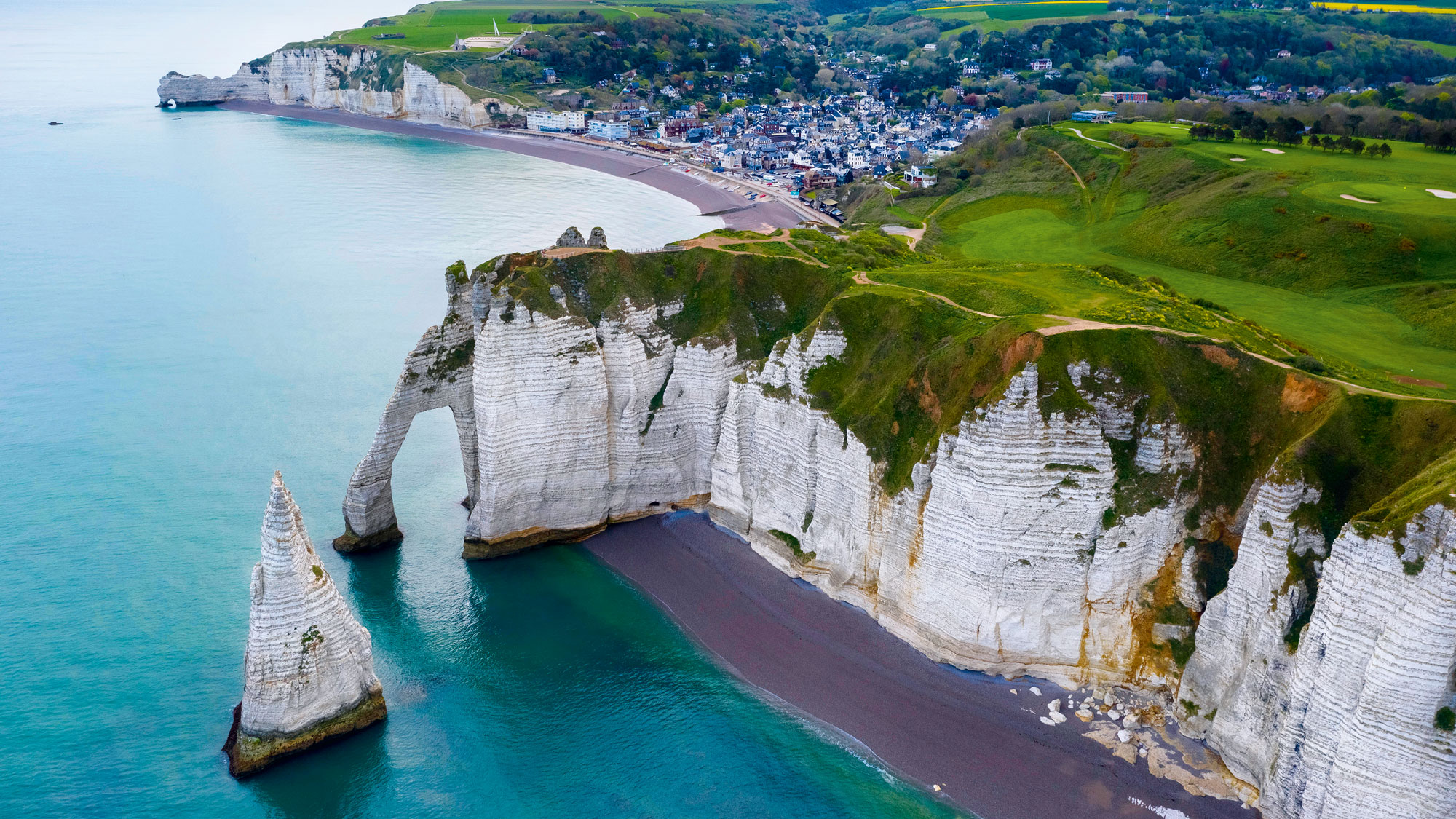
Coastal cruises in Wight Wight must be the most familiar sea areas for a huge number of sailors, whether cruising…
Scottish Coastal Sailing- Getting Around
Marinas and crew changes
On the Irish coast there are marinas with nearby rail connections at Arklow, Greystones, Dun Laoghaire, Howth, Malahide (HW+/-3hrs), Bangor and Carrickfergus. The same is true on the English coast for Maryport (HW+/-2hrs), Whitehaven (HW+/-4hrs), and Liverpool (HW+/-2hrs), and on the Welsh coast for Conwy (HW+/-2hrs), Holyhead and Pwllheli. Fleetwood (aim to arrive HW-1) is connected to Blackpool by tram and trains connect from there.
On the Isle of Man, Douglas and Peel marinas are both accessible HW+/-2hrs. Other harbours and anchorages are generally less dependable for crew changes, either because they are tidally restricted or sometimes because they become inaccessible or unreliable depending on weather conditions. Porth Dinllaen is a useful passage anchorage on the north side of the Llyn peninsula.
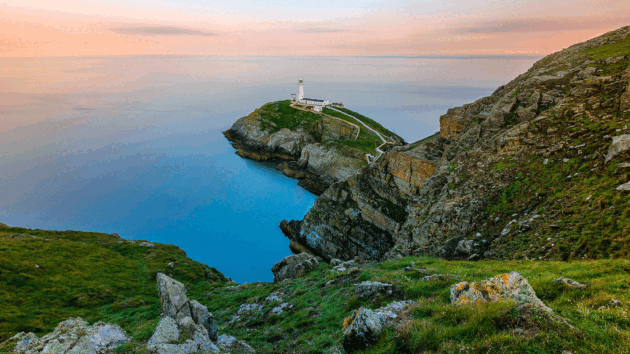
South Stack Lighthouse, Anglesey, Wales. Photo: Big State Images / Alamy Stock Photo
With a boat that can take the ground there are many more possible options in the multitude of rivers and estuaries. Many of these places are less well connected by public transport. Ferries connect Fishguard to Rosslare, Holyhead to Dublin, and Liverpool and Cairnryan to Belfast www.irishferries.com www.stenaline.co.uk, www.poferries.com. Isle of Man ferries connect to Heysham, Liverpool, Dublin and Belfast www.steam-packet.com.
Pilotage information
East and North Coasts of Ireland (ICC Sailing Directions) and their Cruising Ireland companion together maximise enjoyment of the Irish coast. CCC Firth of Clyde (Imray) includes Solway Firth and North Channel. Irish Sea Pilot (Imray) covers the whole of the area. For planning and tidal strategy The Cruising Almanac (Imray) and Imray Tides Planner app are excellent.
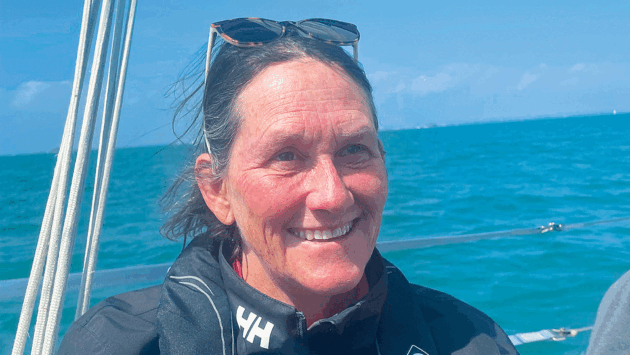
Jane and David Russell have been cruising together for more than 30 years, including a
five- year circumnavigation with their first Tinfish, a 37ft 1964 steel Piet Hein. Photo: Jane Russell
Tips and contacts – places to stop
The Irish Sea is a surprisingly extensive cruising ground. Tidal considerations create some challenges, particularly for deeper draught vessels, and onshore winds can render the more exposed entrances difficult or even dangerous. Even so, there is a considerable amount of cruising to be had, particularly if time is not too restricted.
The Irish coast lends itself well to passages north or south, with Dublin and Belfast both obvious stopovers, each with a long maritime heritage. There are excellent museums and numerous visitor sites in both, or just enjoy some of the music and hospitality. It’s possible to find berths in the heart of each city but it may be more relaxing to access them from the marinas nearby.
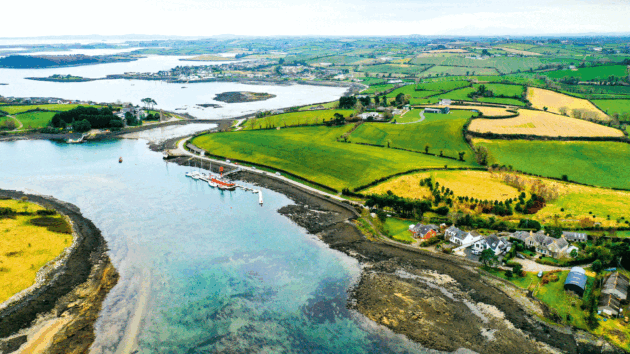
Aerial drone view over Strangford Lough. Photo: Alan Oliver / Alamy Stock Photo
Liverpool is another historic maritime hub. The Llyn Peninsula, Anglesey and the Menai Strait in the northwest corner of Wales are really a lovely little cruising ground of their own. Likewise the harbours and anchorages of the Isle of Man make for an enjoyable summer holiday in itself.
Strangford Lough is a huge area of navigable water to be enjoyed once you are safely in through the notoriously fast-flowing narrows. Carlingford Lough is a biodiverse wetland and Special Protection Area near the Mourne Mountains.
Dublin
Easily accessible from Dun Laoghaire, Howth or other nearby marinas via the DART railway. See the ancient Book of Kells and wonderful buildings of Trinity College and learn some Irish history, wander around the castle and cathedral and over the Liffey Bridge, lose yourself in the National Gallery, enjoy a Guinness and some music.
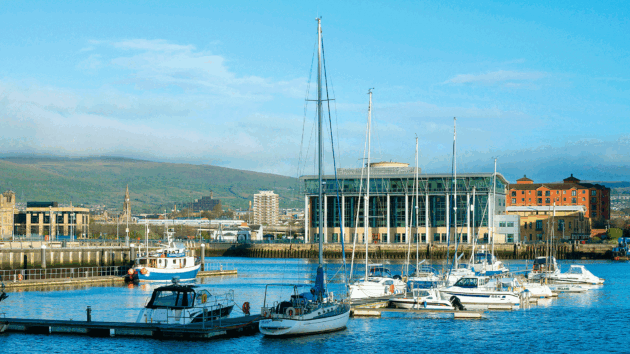
Belfast Harbour. Photo: Oxford Picture Library / Alamy Stock Photo
Belfast
Accessible on the water, though also by train from Bangor or Carrickfergus. Don’t miss the amazing Titanic Museum. Engage with Belfast’s history at the Crumlin Road Gaol. Walk up to the castle through the gardens to look over the city. Wander the old streets of the Cathedral Quarter cultural hub.
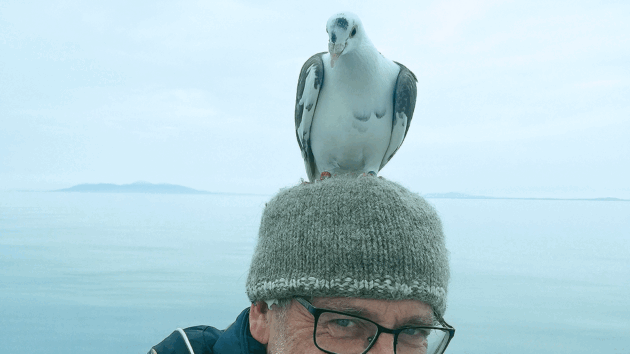
David with his unusual pigeon fascinator. Photo: Jane Russell
Menai Strait
The Menai Strait is the natural wonder that separates Anglesey from mainland Wales. Tides run round both sides of Anglesey and meet at The Swellies rocks where they can run at 8 knots, so timings of a transit are essential. You will pass under the historic Menai Suspension Bridge and Britannia Railway Bridge and go past Beaumaris and Caernarfon castles.
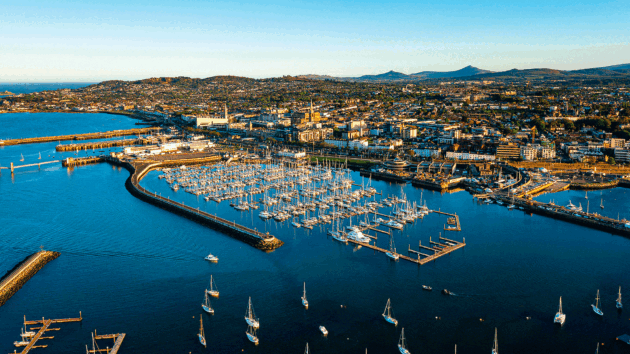
Aerial view of Dun Laoghaire Harbour and marina with the Wicklow mountains behind. Photo: Eimantas Juskevicius / Alamy Stock Photo
Isle of Man
A self-governing British Crown Dependency with more than 8,000 years of human activity. It has its own Manx language, culture and flag, several engineering marvels, and is a UNESCO recognised country of natural beauty and diversity. Douglas or Peel are the safest harbours from which to explore the island properly.
Enjoyed reading this?
A subscription to Yachting Monthly magazine costs around 40% less than the cover price, so you can save money compared to buying single issues.
Print and digital editions are available through Magazines Direct – where you can also find the latest deals.
YM is packed with information to help you get the most from your time on the water.
-
-
- Take your seamanship to the next level with tips, advice and skills from our experts
- Impartial in-depth reviews of the latest yachts and equipment
- Cruising guides to help you reach those dream destinations
-
Follow us on Facebook, Twitter and Instagram.
Note: We may earn a commission when you buy through links on our site, at no extra cost to you. This doesn’t affect our editorial independence.