


As sea levels rise, the impacts will need managing and mitigating. We look at what this means for our case study in the western Solent
Climate change is driving sea level rises, and over the next 100 years, our seas are expected to continue rising by over one metre. In some areas with high, rocky coastlines, this may have limited effect. For low-lying coasts, however, that may already rely on coastal defences, as well as coastal infrastructure such as harbours, the impact on how they weather storms and operate in normal conditions is much more significant.
To understand what this might look like in practice, and the impact it might have on the harbours and coastlines we enjoy and rely upon for sailing, we took a look at one specific area of coastline with various features that make it an interesting case study.
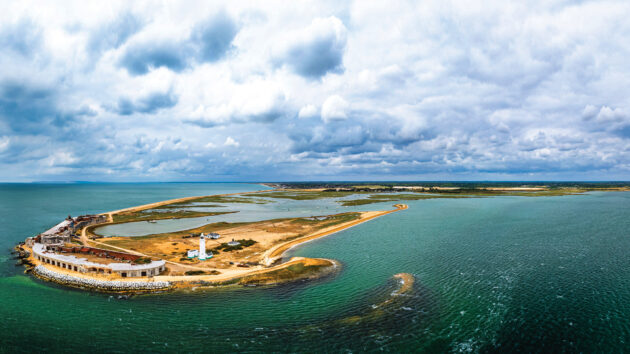
The stretch of coastline on the mainland side at the western end of the Solent is a busy sailing area, as well as being hugely important for the shelter that Hurst Spit provides to the Solent as a whole.
The ten or so miles of coastline from Hurst Spit to Lymington covers a mile-long sand spit, a 15th-century castle, a navigationally important lighthouse, a nature reserve of huge importance to migratory birds, two rivers, two busy harbours, a vulnerable landfill site close to the water, as well as multiple rights of way, roads, private houses, business premises and harbour facilities.
Alongside sea level rises, challenges include increased storm frequency and flood risks, loss of internationally important habitats, increased vulnerability of Hurst Spit, loss of recreational rights of way, impacts to heritage and archaeological features and the erosion of historic landfill.

A tide gauge measure
Squeezed on all sides
Even with unlimited funds, the multiple options for how best to protect all of these varied assets and interests is far from straightforward, and requires a nuanced and evolving strategy with multiple approaches for each section of this area.
As it is, full funding is unlikely to come from central government and other sources of funding must be found, while spending existing funds wisely and carefully.
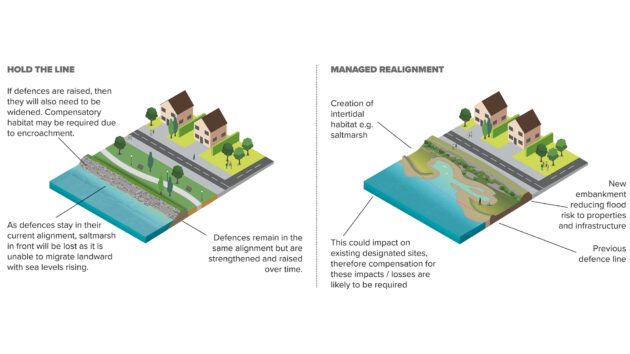
If nature were to do its own thing, the saltmarsh and foreshore would simply retreat landwards as sea levels rise, but the presence of sea walls means that this can’t happen, and the saltmarshes are squeezed and lost, along with their function as natural wave brakes, carbon sinks and important habitats.
Marianne Piggin, Hurst Spit to Lymington Strategy Team engagement specialist, explained how they are tackling the problem.
This coastline is a highly dynamic environment and change is a common occurrence, however, this is impeded by climate change. Over the next 100 years, sea levels are expected to rise over one metre, regardless of our strategy, which will have an impact on increased flood risk to properties, infrastructure, low-lying land, designated habitats and the species they support.
However, with all these challenges there are opportunities. The Strategy brings with it the chance to manage the change happening; involve residents and local groups to have input; enhance the environment for future generations; plan for future climates; and support resilient communities.
What next?
If we do nothing, the following are likely to happen:
- Loss of habitats in front of the sea wall
- Increased impacts (wave action) to the embankments/ sea walls
- More frequent over-topping or deterioration of defences
- Risk of exposure of the landfill sites to wave action/erosion
- Impact on habitats behind sea wall
- Increased flood risk to people & properties
- Impacts on rights of way
The impact on sailing
The Strategy has also considered the potential impact of the proposals to the sailing community both in terms of impacts to moorings and navigation. The future use of the moorings in the direct lee of the barrier (Mount Lake) cannot be guaranteed; however analysis to date has suggested the impact to moorings in Lymington will have limited impacts.
The winds, waves and tides that make sailing so important in this area will change in the future without the Strategy and the impacts on sailing are uncertain; adaptation to the changing conditions will be required over the next 100 years as and when changes occur.
Developing a plan
We are leading the way with the Adaptation Pathway approach which allows decision-makers to take effective actions under uncertainty, ensuring decisions made today do not limit future options. A series of triggers, drivers and thresholds coupled with monitoring have been formed to help manage and formulate preferred pathways for various sections of the coastline.
Options along the coastline vary between ‘Hold The Line’ and ‘Managed Realignment’, but both will impact on European designated sites, so the creation of compensatory habitat will be required and is a key driver in this Strategy. For the purposes of the Strategy, the area has been split into seven distinct management areas.
Collaboration with the community is vital to the success of the Strategy’s development, keeping local residents and stakeholders involved every step of the way. Capturing the views and ideas of children and young people is key, as it will be them and future generations who will truly benefit from the Strategy and its future projects.
This summer, the team will consult on the final proposed pathways for the Strategy. If approved, detailed planning will begin 2027.
Options
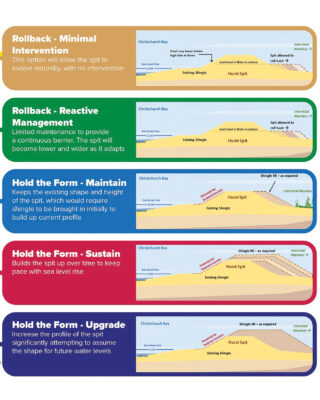
There are a range of options for each area, and when and whether to implement the next stage will be dependent on how quickly the forecast changes force decision makers down each ‘pathway’. At one end of the spectrum is the ‘do nothing’ option, while at the other end there is the ‘hold the line’ option, which would usually mean significantly upgrading existing defences and accepting the loss of natural defences that would ensue.
In the middle are options for either modest upgrades, or managed realignment of the shoreline to allow natural defences to redevelop. The Lymington and Avon rivers are likely to receive this treatment, while the landfill site and harbour facilities are more likely to receive upgraded sea defences.
Enjoyed reading this?
A subscription to Yachting Monthly magazine costs around 40% less than the cover price, so you can save money compared to buying single issues.
Print and digital editions are available through Magazines Direct – where you can also find the latest deals.
YM is packed with information to help you get the most from your time on the water.
-
-
- Take your seamanship to the next level with tips, advice and skills from our experts
- Impartial in-depth reviews of the latest yachts and equipment
- Cruising guides to help you reach those dream destinations
-
Follow us on Facebook, Twitter and Instagram.
Note: We may earn a commission when you buy through links on our site, at no extra cost to you. This doesn’t affect our editorial independence.