


A basic first aid kit is often an afterthought on board, but do you know if yours is sufficient, and how to use what’s inside? Nick Leather explains all
Why do accidents happen at the most inopportune times? Occurring when you least need them and potentially putting a crew member out of action or more. Accidents vary from the most minor, needing no more than a sticking plaster, to challenging situations requiring Coastguard or RNLI search and rescue.
Common injuries range from sprains, burns and minor cuts to deep wounds, head injuries and fractures. ‘It will never happen to the crew or myself,’ attitude may well result in a big wake up call.
‘Be prepared’ is a sensible philosophy when it comes to yachting, not only in the most extreme and isolated of environments that cruising sailors frequent, but anywhere we are afloat and away from the rapid assistance available on land. Even a modest cruise takes us beyond the reach of the usual emergency services.
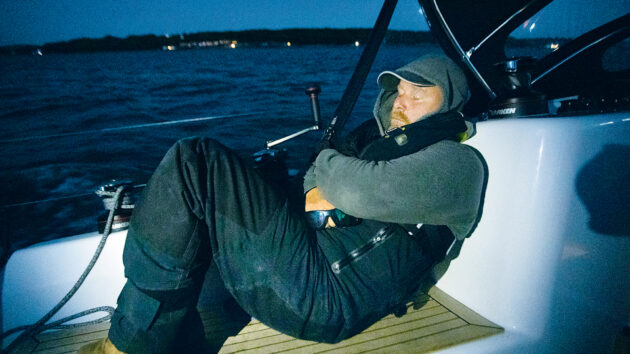
Feeling cold is common but real hypothermia can be life-threatening. Photo: Richard Langdon/Ocean Images
Reducing risk
So, what do we mean by being prepared?
In the medical world we call it primary prevention, reducing the chance of an accident happening in the first place. Unfortunately, we can only mitigate against so much, such as avoiding heavy weather or making sure crew are fit and competent, but an injury can raise its ugly head at any time, as I can attest from personal experience of both my own cruising, and my time at sea as a Royal Navy medic.
Reducing the risk in the first place goes some way in making for a safer sail; the use of life jackets and tethers obviously reduce the risk of MOB and aid recovery, but use of sailing gloves and deck shoes for instance could mean dodging broken fingers or toes, cuts and skin burn from ropes. Similarly, wearing waterproof salopettes while cooking underway hugely reduces the risk of serious burns and scalds.
Most of the first aid kits do not contain some common-sense items considered important rather than vital. We all love warm summer days with a favourable Force 4, sun glittering on the water. It makes us feel good and helps with vitamin D production, but too much UV light can be harmful and turning the colour of a Guernsey tomato with sunburn is painful and risky.
Alas, I am as guilty as any of getting sunburn in recent decades and carrying some factor 50 sun cream and after sun with your first aid kit is a good idea.
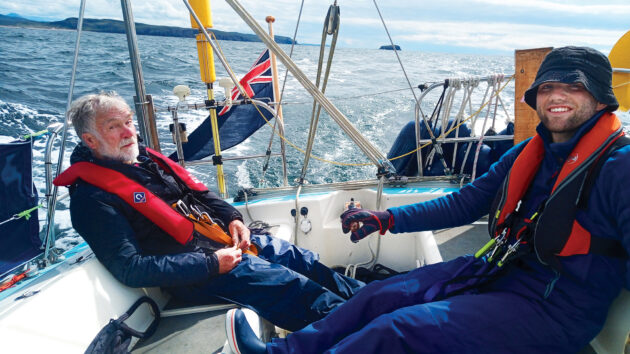
Port-hopping along the coast and private vessels have less stringent requirements. Photo: Nick Leather
Sun protection is vital
If the skin is not protected for longer periods, we are increasing the risk of giving dermatologists more work, where nasties such as malignant melanomas and squamous cell skin cancers are increasingly being diagnosed. Sun hats and sunglasses are a must; the latter considerably reduce the chances of macular degeneration (loss of central vision) with old age. Having common sense accessory items like the above will help protect you and your crew.
Categories and regulations
If we can’t avoid it, then having some first aid knowledge and a properly kitted medical bag goes a long way to being prepared. Even minor injuries, left untreated or inappropriately managed, can lead to serious complications ranging from infections, sepsis, or nerve damage. Who knows, you may even save a life.
Let’s look at first aid kits, our box of tricks that come in all shapes and sizes; the contents of which should match the distance you expect to be from medical facilities ashore. The kit required for a coastal hop will be very different to that required thousands of miles across an ocean where help may take days to arrive.
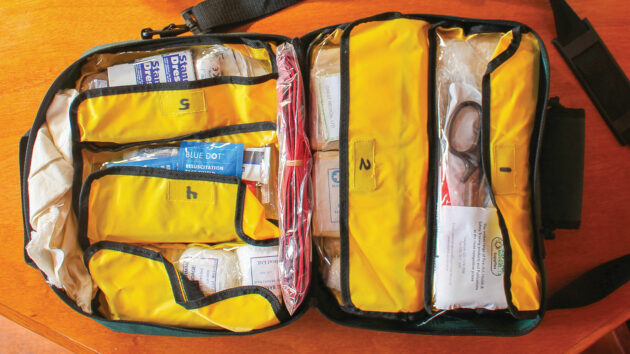
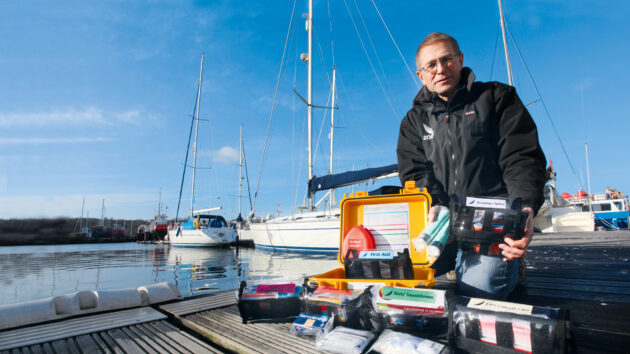
A proper medical kit goes a long way beyond a basic plasters-and-bandages first aid kit. Photo: Rupert Holmes
Organising your kit
Medical bags range from fully kitted rucksack arrangements, to holdalls, bags or plastic cases. The storage capacity on board will also dictate the form that suits best. My personal choice is a bag that can be squeezed into a readily accessible locker with plenty of storage pockets. Many boats also split their first aid kit into a serious medical kit, and a smaller ready-use kit that crews can access for things like plasters and mosquito bite cream.
There are legal issues to be considered especially if you are a skipper of a commercial vessel or a skipper of a privately owned boat and taking a first aid kit with controlled drugs such as morphine. A commercial vessel (where money changes hands with owner or skipper) is bound by MCA medical regulations and must have specific medication on board and in the right quantity.
In this case, provision of specified controlled drugs does not require prescription, but need to be obtained through a special legal framework using a signed order (requisition). The MCA 1905 article provides comprehensive details on this. On the other hand, a skipper of a privately owned vessel is in same position as most UK citizens, mandating documented prescription from a registered medical practitioner for controlled drugs. If this is not adhered to prosecution can ensue for illegal possession.
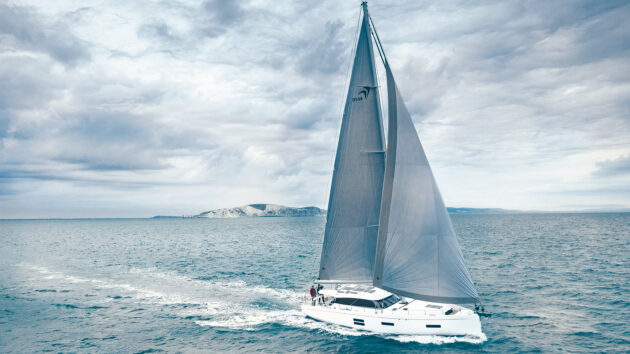
Crossing the Channel, you will remain inside the 60m offshore limit, but not across parts of the North Sea. Photo: Richard Langdon/Ocean Images
MCA kit list
The Maritime and Coastguard Agency have put together lists of medications for commercial skippers in coded vessels. They have been graded according to the distance the vessel is allowed to operate from a safe haven and are divided into kits in categories A, B and C. For vessels up to 60 miles from shore the most basic kits are Cat C.
Many of the contents are easily obtainable from a pharmacy. For longer-range adventures the first aid kits are meatier, with Cat B advised up to 150 miles and Cat A unlimited distance offshore. Cat A and B kits contain controlled medications and resuscitation equipment.
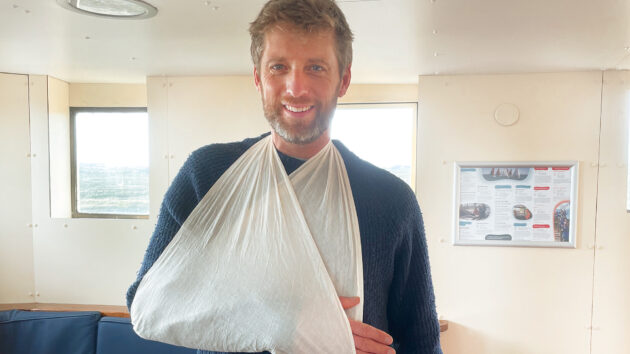
An RYA first aid course will teach you the basics in a day, and is valid for three years. Photo: Theo Stocker
First aid training
So, what about most of us who are private yachtsmen, where do we stand? We are not legally bound to carry these comprehensive categorised kits, but it is strongly advisable to carefully browse through the list of contents in the first aid category in the area you intend sailing, especially if very remote. Should an accident or illness happen when you’re halfway across the Channel, Atlantic or Pacific, the buck stops with you as skipper, and mid-ocean, it could be days before more comprehensive medical help arrives.
Build your first-aid confidence
For those heading off on the trip of a lifetime, you will have a fully stocked Category A kit with all the medications including controlled drugs, antibiotics and resuscitation equipment, but how confident would you feel about your ability to use this in a crisis?
If Sue is thrown across the boat breaking her leg or John collapses clutching his chest and turning grey as you broad reach 500 miles off the Canary Islands, what would you do? Fortunately, there are many first aid courses available ranging from STCW elementary first aid for offshore voyages, and STCW Proficiency in medical care for ocean voyages.
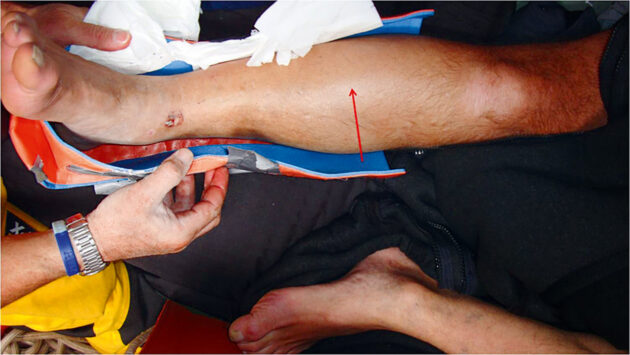
Dealing with broken bones and shock without outside assistance takes real knowledge. Photo: Pete Goss
For shorter trips under 150 miles offshore, the RYA offer first aid courses and several shore-based establishments offer medical STCW courses of varying complexity. In the heat of the moment, knowing how to maintain an airway or how to use morphine appropriately or apply a splint or dressing correctly will give you the confidence that you are doing the right thing.
Knowing how to safely give injectable medications will help avoid needle stick injuries. With some formulations in auto injectors such as EpiPens (used in anaphylaxis) accidentally injecting yourself in the thumb could result in making yourself the casualty as well.
Some medications such as antibiotics come as powder in vials which need reconstituting in saline. Knowledge and practice of how these can be mixed and administered will save you valuable time in real scenarios. An appropriate first aid course would also show you how to use resuscitation equipment effectively and give you some confidence in dealing with serious situations.
For less demanding sailing where you will not venture 60 miles from a safe haven there are plenty of first aid courses run by the RYA to give you the requisite knowledge. It’s worth keeping the first aid manual on board for reference if you need it, and for some refresher reading at least once every season. Once you have completed the third novel on an Atlantic crossing and taken that sextant sight, a little swatting won’t go amiss.
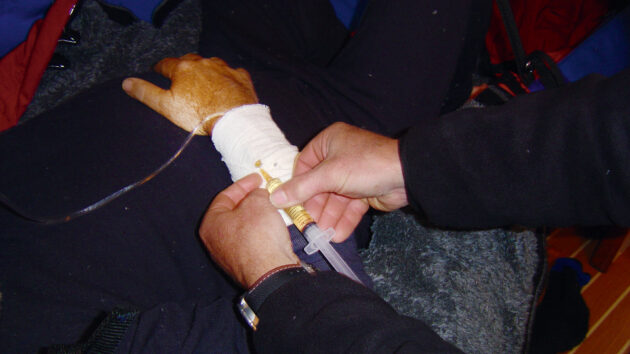
Administering medicines and injections requires more intense training. Photo: MSOS.org.uk
Advice and support
Along with satisfactory course completion and acquired useful knowledge, it would be prudent to carry information readily available that you can use as a quick reference guide and a memory jogger of what to do in what may be a stressful situation.
For long passages the Ship’s Captain’s Medical Guide and other comprehensive books are available, whilst for those with undertaking coastal passages the RYA, St John’s Ambulance or the Red Cross first aid manual may come up trumps.
Don’t forget that you can ask for medical advice as well through communications in area GMDSS area A1 though contacting the nearest Coastguard station via VHF; area A2 with medium frequency radio or if further afield by Inmarsat or satcom. This can be invaluable to gain medical advice quickly such as the Telephone Medical Advisory Service.
It’s worth knowing how to contact these services with the equipment you have on board before you set sail. In European waters medical advice can be obtained by ‘Pan-pan’ call or DSC urgency call to the Coastguard or coast radio station using VHF Channel 16.
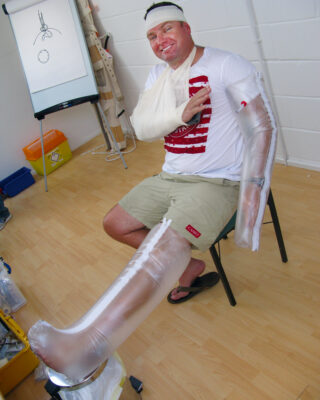
More advanced courses will include management of various breaks and more major injuries. Photo: MSOS.org.uk
Making, storing and updating your kit
Class C first aid kits, for no more than 60 miles from a medical facility, mostly contain items that would be readily recognisable and easily obtainable from a pharmacist. You can buy ready-made kits, but you can save a fair amount putting the kit together yourself, as well as buying generic rather than brand-name medications (for example ibuprofen and paracetamol).
I would advise caution buying medications over the internet unless a reputable supplier such as ‘pharmacy2go’. Companies such as Medical Support Offshore (www.msos.org.uk) can help you build a bespoke medical kit designed for your needs.
For those in a Heath Robinson mood, homemade triangular bandages can be crafted from old sheets, cutting one-metre squares into triangles.
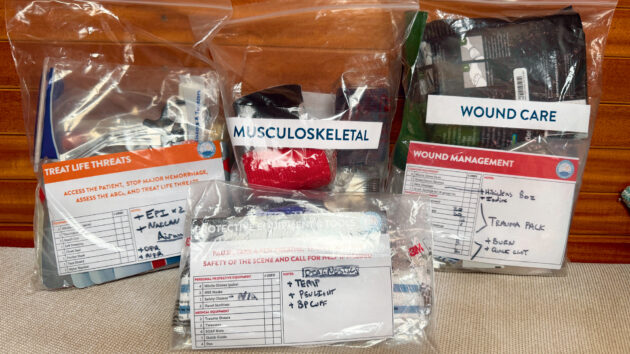
If you make up your own kit, follow medical advice, label it clearly, and log that it’s all in date. Photo: James Kenning
Divide and conquer
It is generally good practice to have two separate kits, the first for day-to-day use, including sea sickness tablets, plasters, sun creams and so forth, and then a second kit that is for more serious accidents. Planning like this also avoids breaking an air-proof seal of some of the first aid bags. The advice by the MCA is to store your first aid kit in a dark, dry location and out of direct sunlight and ideally around 15-20°C to maximise the medication’s longevity.
A little record keeping will help you keep track of what medications you have, their expiry dates and when you need to replace them. A first aid kit ‘logbook’ kept in the chart table, noting what has been used and when, will help you keep things topped up. It is a useful crib sheet so can be compared against official first aid kit recommendations. It is also vital to have a written log of controlled medication if carried, when they were used and to whom they were given so you have evidence if any authorities decide to board your boat.
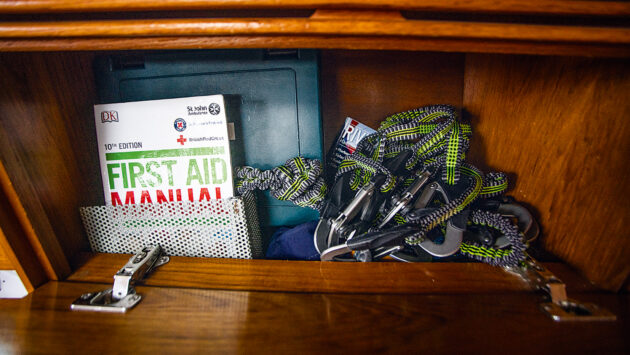
Keep the tethers somewhere accessible, as well as first aid kit for common, non-serious injuries. Photo: Richard Langdon
Conclusion
For a safe trip, be prepared, get proper medical training and have a first aid kit which will meet the kind of challenges you are about to embark on. Make sure that the safety briefing you give your crew means they know exactly where the first kit and manual are located. Check what medications and chronic illnesses your crew may have and make sure if they are taking specific medications they bring enough of their own medical supplies.
At the end of the day an incident may never happen but you will be ready if it does.
Enjoyed reading this?
A subscription to Yachting Monthly magazine costs around 40% less than the cover price, so you can save money compared to buying single issues.
Print and digital editions are available through Magazines Direct – where you can also find the latest deals.
YM is packed with information to help you get the most from your time on the water.
-
-
- Take your seamanship to the next level with tips, advice and skills from our experts
- Impartial in-depth reviews of the latest yachts and equipment
- Cruising guides to help you reach those dream destinations
-
Follow us on Facebook, Twitter and Instagram.
Note: We may earn a commission when you buy through links on our site, at no extra cost to you. This doesn’t affect our editorial independence.