


Sponsor Content created with The Maritime and Coastguard Agency
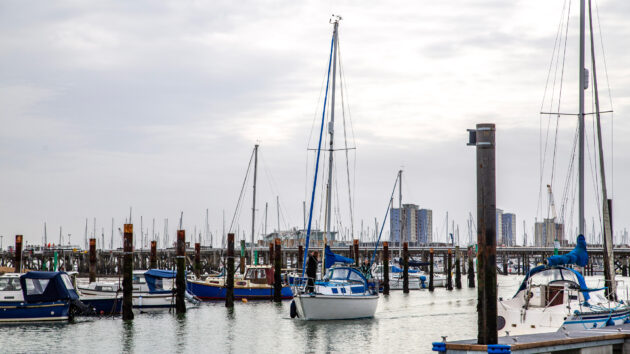
HM Coastguard, the RNLI and RYA have produced a free Boating Safety Checklist to ensure your pre-summer shakedown has all the vital skills and equipment covered.
The boat is nearly ready and most of the winter jobs are done, but it’s easy to overlook safety equipment. The same is true of our skills; it takes a day or two to knock the rust off our boat-handling skills, navigation knowledge and safety drills.
Preparation
Training: The start of the season is the ideal time to give your skills (and those of your crew) a refresh. Perhaps a course on skippering, VHF radio, crewing and engine work. The RYA runs multiple skills courses too.
Boat checks: Most owners do a good job of ensuring their boats are seaworthy at the start of the season. Rigging, engine and antifoul get the most attention, but don’t forget the keel, hull and safety equipment. Are there any unfinished jobs or new modifications that could affect how seaworthy the vessel is?
Safety equipment: Lifejackets need to be properly serviced and checked – talk to the manufacturer or your local chandler if you’re not sure on how to do this. Check your liferaft, horseshoe- and dan-buoys are serviced, in date and in good condition. Check that all lights are working and flares are present and correct. Ensure EPIRBs and PLBs are in good order and have been tested and checked too.
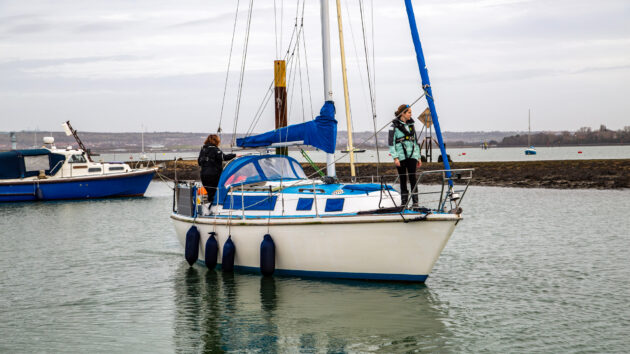
Being well prepared for the season can boost your boating enjoyment
Heading out
Formulate a plan: Even in homewaters, it pays to make a plan for your trip. In particular, let a shore contact know of your plans and estimated arrival time. Check the tides and weather forecast and write them down, and check the data comes from a reliable source.
Brief the crew: Share your plans with the crew, talk about the weather conditions, and give them a safety briefing. Discuss a backup plan in case of difficulties, and, if possible, rehearse drills, such as Man Overboard (MOB). Make sure all crew know how to use the VHF radio, engine and safety kit.
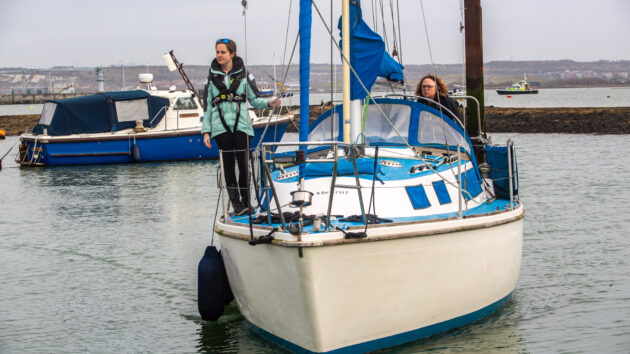
A personal flotation device can save your life
Distress signalling
Calling for help: As all sailors know, a mobile phone is very useful, but it’s not a foolproof way to call for help at sea. VHF radio (ideally with DSC) is still often the best way to call for help, as the boats closest that may be able to help will be able to hear May Day and Pan Pan distress signals, as will the Coastguard. EPIRBs and PLBs are excellent for signalling distress at longer distances, while AIS beacons can alert other vessels to a MOB. Flares are useful for visual location once help is on its way.
HM Coastguard coordinates all maritime search and rescue (SAR) operations in the UK, using their own Coastguard teams and aircraft resources as well as partner organisations such as the RNLI, independent lifeboats and other water users. The RNLI can also provide lifejacket guidance and other safety advice while the RYA, through its training centres, can provide training and qualifications.
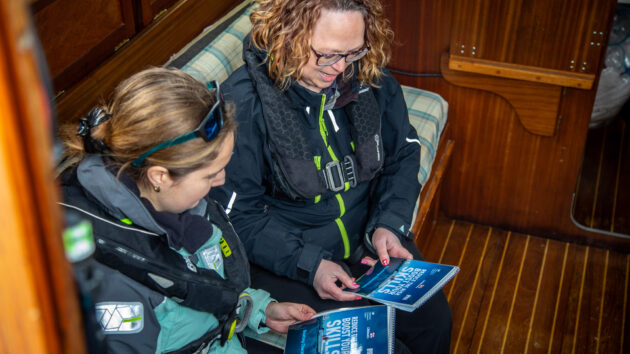
Detailed reading of any checklist is vital
Boost your skills
If there are gaps in yours or your crew’s knowledge, the RYA runs multiple courses. The more knowledge you acquire, the more confident you’ll be.
Preparation builds confidence. Confidence supports better decisions to help keep everyone safe on the water – so you can focus on enjoying the season ahead.
Free MCA/ RNLI/ RYA checklists are available from hmcoastguard.uk/